
 $
$In the current real estate market context, electronic judicial sale platforms like https://www.e-leiloes.pt/ offer unique opportunities to acquire properties at potentially more accessible prices.
However, this process remains unfamiliar to much of the population. The absence of comprehensive content demonstrating the real experience from registration to the final bidding reinforces the idea that it is a still little-explored topic.
This article aims to clearly and objectively reveal all the steps involved in participating in an online auction.
The Registration Process on the Platform
Before any participation, it is necessary to create a profile on the e-leilões platform.
Registration requires filling in personal data such as the Citizen Card, including tax identification. For business users, there is an option to register legal “representations”, allowing bids in the name of a company. This process requires the insertion of documents like the permanent certificate and the manager’s identification.

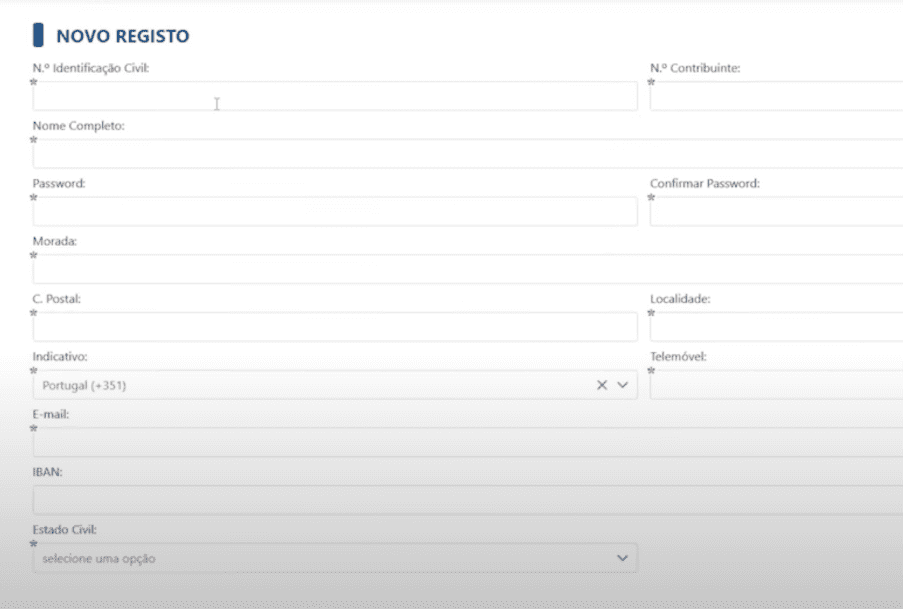
Note that if you have already registered, just click on login, then on the alternative method and enter your passwords.
Research and Selection of the Property
With the profile active, just click on properties on the homepage of the site. The user can apply filters such as location, type of property, and legal status. In the case presented here, the property is located in the district of Setúbal and was added to the favorites list for close monitoring.
The analysis of the property’s file must be detailed. It is essential to check the documents attached to the process, such as the property register and the permanent certificate, to evaluate potential burdens, charges, or legal restrictions.
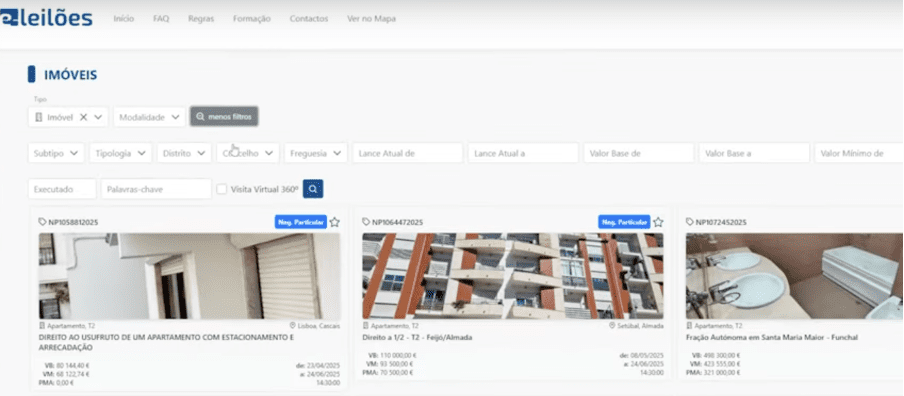
Online Auction vs. Private Negotiation
The platform distinguishes between two main modalities of sale: online auction and private negotiation (Private Neg.).
- Online Auction
In this modality, all bids are public and presented directly on the platform. The deadlines are strict: the buyer has 15 days to make the full payment. In the case of non-compliance, judicial collection mechanisms may be triggered.
- Private Negotiation
Here, proposals can also be made by email, with greater flexibility in payment terms and conditions. Typically, an initial award followed by a deed at a later date can be agreed upon. However, it is common to require a deposit of up to 5% of the base value, according to the guidelines of the enforcement agent. It is also worth mentioning that if the process is conducted by a private auctioneer, a commission may be added to the purchase, which does not happen when the enforcement agent is a solicitor or professional regulated by OSAE.
Assessment of the Legal and Occupational Situation
A critical step is verifying the existence of occupants in the property. If the unit is inhabited, the buyer may have to resort to judicial proceedings for eviction, which implies additional costs and delays. Whenever possible, a face-to-face visit should be made to the site, preferably accompanied by explanations from the enforcement agent.
In this specific case, it was confirmed that the property was unoccupied, although in poor cleaning conditions, after recent abandonment by the previous resident.
Auction Value Structure
Each auctioned property presents three distinct values:
- Base value: amount defined in the judicial process as the main reference;
- Opening value: generally 50% of the base value, established to prevent symbolic bids;
- Minimum value: normally equivalent to 85% of the base value and represents the limit from which the sale can be automatically accepted.
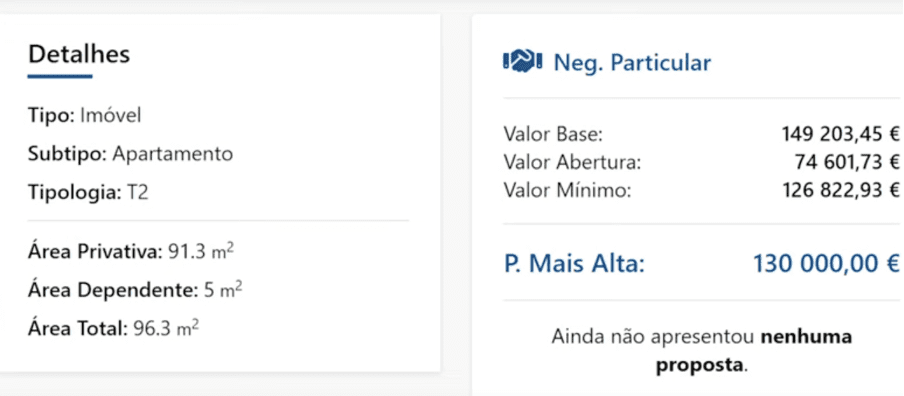
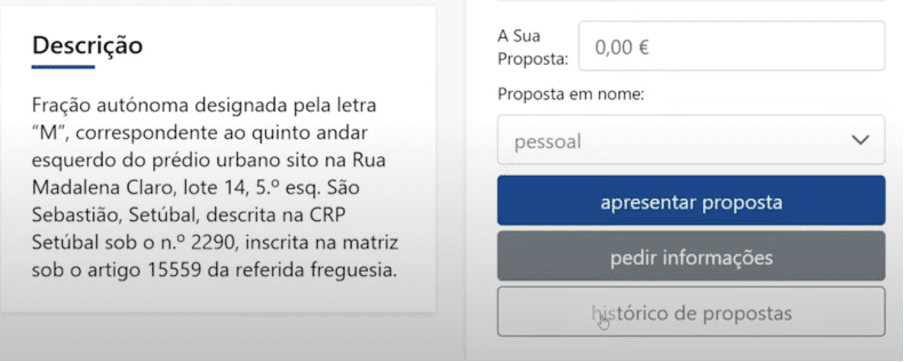
Additionally, it is possible to check the bid history, as well as the remaining time until the auction closes. In the last five minutes, any new bid delays the closing by another five minutes, in an automatic extension system.
Note that the bid value must correspond to own funds to avoid potential risks of losing the deal and effective cash flow management for potential bid increases, as there may not be time to obtain financing. When placing the proposed value, great attention should be paid to the amount placed and keep in mind that there may be higher bids by email not publicly known at an initial date. By email, it is necessary to formalize the identification or company elements and the formal identification of the property.
Risks and Responsibilities of Bidding
Once submitted, the bid is binding. Only in exceptional cases, and duly justified, may the court accept a request for annulment. Therefore, it is essential to confirm all data before making any bid.
Another important aspect is the existence of the right of first refusal. Tenants or others with legal legitimacy can match the winning bid and acquire the property under the same conditions.
Case Study – Financial Analysis
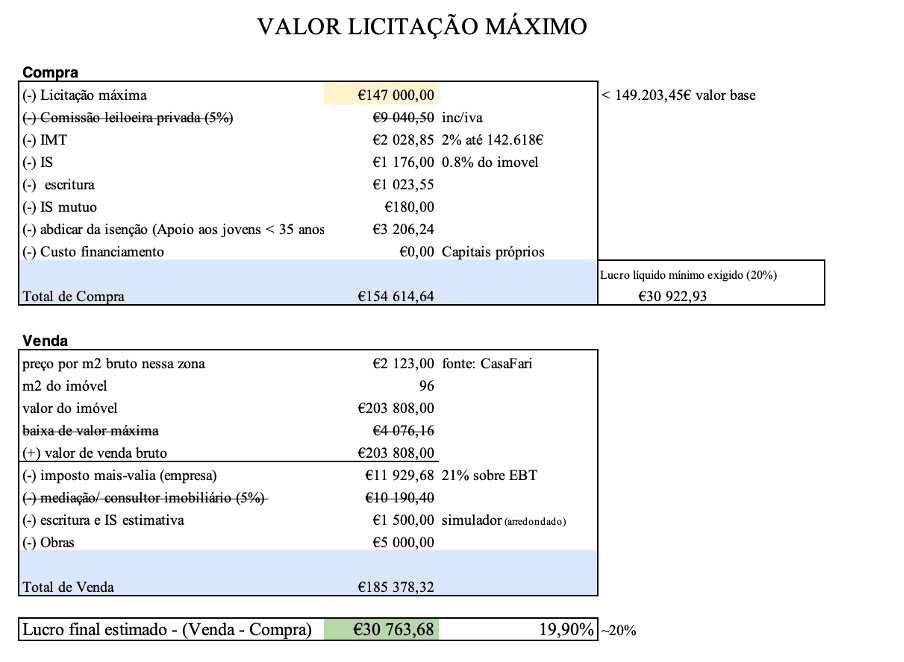
This case concerns a 2-bedroom apartment, located in Setúbal as previously mentioned.
It is important before making any bid to define a minimum required return for purchasing the property. And what does this mean? Define a purchase value and a sale value considering all associated costs.
It should be noted that the excluded costs will not be incurred by the buyer’s choice. If you want a detailed explanation of the excel file, it is available in plan 3.
Conclusion
Buying a property through judicial auction can be a beneficial opportunity, but it requires attention, preparation, and detailed knowledge of the entire process. From registering on the platform to submitting a bid, each step involves legal responsibilities and decisions with significant financial impact.
The dissemination of real processes, in a visual and accessible format, is essential to increase the financial and legal literacy of the population. Bringing transparency to this type of purchase helps make the market more accessible and informed for everyone.