
 $
$The transformation of commercial properties into housing has become an increasingly appealing alternative, especially in urban areas where house prices are high and there is a significant supply of vacant shops.
In this article, we provide a step-by-step guide on how to legally transform a shop into housing, based on the rules of the Urban Simplex. Through a real-life example, we explain the analysis process, documentation, legal requirements, and the process with the city council.
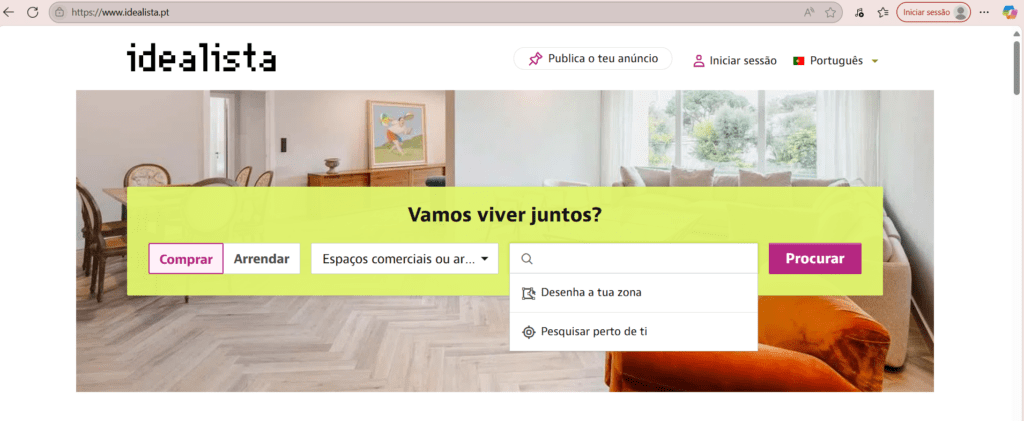
Step 1 – Identify a property with potential for housing
The first step is to look for a shop with features compatible with residential use—such as a location in a consolidated urban area, independent entrance, windows with natural ventilation, and minimum usable area.
Step 2 – Confirm the urban viability of the area
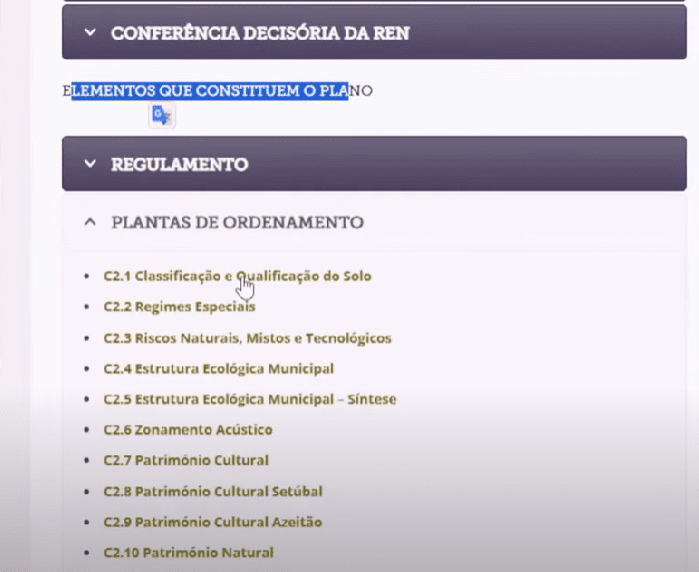
Before proceeding with any proposal, it is essential to confirm if the shop is located in an area where residential use is permitted. To do this, you should:
- Access the city’s website
- Search for the Municipal Master Plan (PDM)
- Check the land category in which the property is located
In Lisbon, for example, areas classified as “consolidated urban space” are generally eligible for change of use.
Step 3 – Collect the property’s documentation
To begin the process, you need to obtain several key documents:
- Property plan (requested from the owner or available at the council)
- Property registration (via the Finance Portal or requested from the owner)
- Permanent certificate (accessible on the Land Registry website)
- Technical sheet or original project, if available
Step 4 – Check the requirements of the Urban Simplex
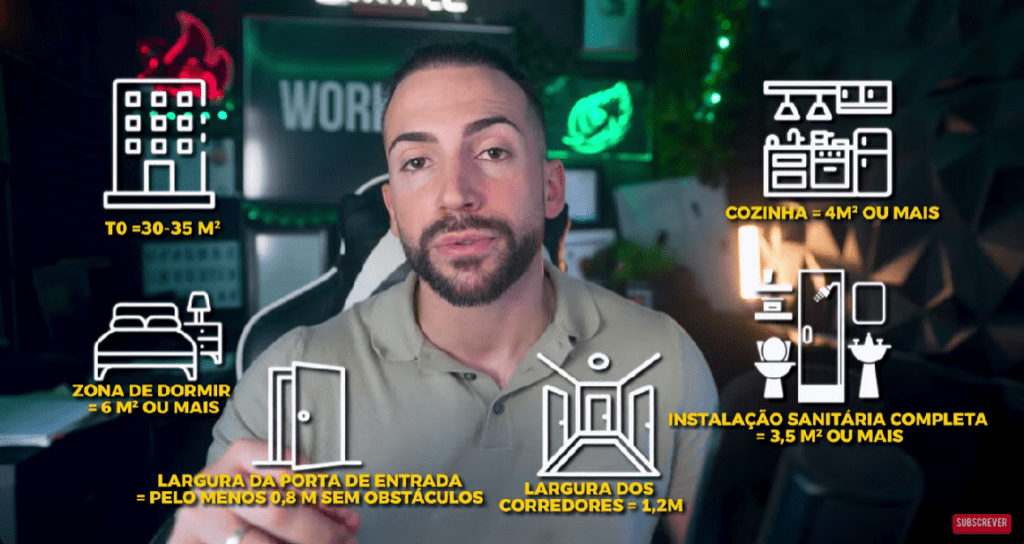
With the new Urban Simplex regime, the process of changing use has become simpler but still requires compliance with clear technical rules.
Some of the minimum requirements include:
Step 5 – Confirm the interpretation with the city council
Even if the shop appears to meet the criteria, it is advisable to schedule a meeting with the local council’s urbanism department.
- Bring the documents and property plan (with measurements)
- Request clarification on applicable requirements
- Ask if an architectural project is necessary
Step 6 – Prepare the project and communicate with the council (if viable)
If the shop is deemed viable:
- You should hire an architect to prepare the project
- The project should be submitted as a Prior Communication with a response deadline for the council of 20 working days. If there is no response within this period, it is considered tacit approval
Step 7 – Execute the works and register the change
After communicating to the council and starting the works:
- Ensure that interventions comply with the submitted project
- Upon completion of the works, you must register the change of use at the Land Registry Office and update the urban property matrix
- You can inform the condominium of the new designation, if necessary
Final Considerations
The process of converting shops into housing is feasible but requires technical and legal attention. The Urban Simplex has made it easier but does not eliminate the need to:
- Check the urban zone
- Meet minimum requirements
- Validate with the council
- Present an adequate technical project
The example shown in the video is a real case of an attempted conversion that was not possible precisely because it did not meet the technical parameters. This shows the importance of conducting the proper analysis before purchasing or proceeding with rehabilitation plans.
Happy studies.